Hazard Analysis in HACCP: A Practical Example for a Delivery Kitchen
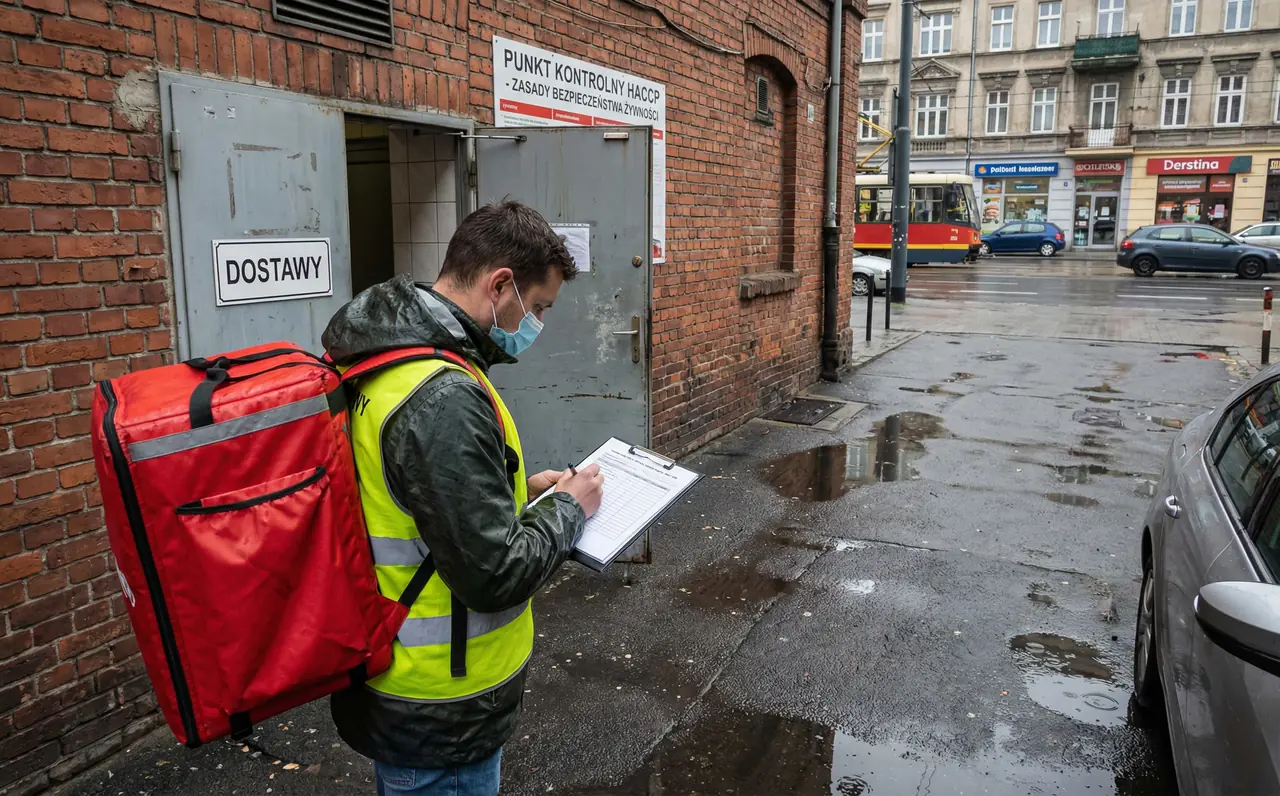
Step by step: how to conduct a hazard analysis for a delivery operation and what to pay special attention to.
In a restaurant with delivery, HACCP most often breaks down not in the "kitchen" part but in what happens after the kitchen: packaging, labeling, waiting time, transport, delays. Delivery adds layers of risk that you do not have with dine-in service. This post is meant to show you how to think about hazard analysis, but it will not give you a ready-made analysis "to copy." That is what the complete GastroReady system is for: documents, instructions, records, and implementation in the spirit of Care as a Product - protection that works in a real kitchen, not just in a binder.
What "hazard analysis" means in practice
Hazard analysis is the answer to three questions:
- What can go wrong? (the hazard)
- When and where can it go wrong? (the process step)
- What do you do to prevent it - and how do you know it works? (control measure + evidence)
The key: this is not an academic spreadsheet. It should be a description of your kitchen during peak hours.
3 types of hazards: biological, chemical, physical
Before we get to the risk map, you need to understand that hazards in HACCP fall into three categories. Each has its specific manifestations in a delivery kitchen:
Biological hazards - the most common and most dangerous. Bacteria, viruses, parasites, molds.
- Salmonella in undercooked poultry - with delivery the risk increases because the time from processing to consumption is longer.
- Listeria in salads and ready-to-eat products - transport temperature is critical.
- Bacterial growth in the "danger zone" (5-63 degrees Celsius) - a package waiting for the courier for 30 minutes on a counter is a classic scenario.
- Viruses transmitted by a worker (e.g., norovirus) - contact with packaging without proper hand hygiene.
Chemical hazards - less frequent but serious.
- Cleaning product residues on packaging - if containers are stored next to kitchen chemicals.
- Allergens as a chemical hazard - an incorrect allergen declaration is a chemical hazard because the allergen is a substance that triggers a reaction.
- Substance migration from packaging - cheap, non-food-grade containers can release substances when in contact with hot food.
Physical hazards - foreign objects in food.
- Packaging fragments in the dish - during fast packing it is easy for a torn piece of foil or plastic to get in.
- Hair, glass, metal - classic in any kitchen, but with delivery the customer discovers it on their own, without the restaurant being able to react immediately.
- Single-use packaging elements - straws, stickers, tape fragments falling into food during order assembly.
Delivery kitchen: an example process you must be able to describe
To do a hazard analysis, you do not start with a table. You start with the process: raw material delivery - storage - preparation - processing - order assembly - packaging - labeling (allergens) - handoff to courier - transport - customer pickup.
In delivery operations, two stages make the biggest difference:
- packaging and labeling
- time and conditions from kitchen to customer
Delivery risk map: 6 hazards that really "do the damage" during inspections
This is not a list of "everything that exists." This is a list of things that in practice most often create problems.
- Time and temperature during waiting and transport
The risk is not just "was it cooked properly," but whether it was maintained at safe conditions until the customer picks it up. Delays, traffic, a package sitting on the counter - classic. Control (what you do): rules for delays, serving order, prioritization. Evidence: simple monitoring (log) and a clear response when things take "too long."
- Cross-contamination during order assembly
The dispatch area acts as a bottleneck: many dishes, many containers, high pace, one space. Control: zone separation, sequence of actions, clean utensils, "raw vs ready-to-eat" rule. Evidence: procedure + training + clear labels.
- Allergens: incorrect labeling or cross-contact
With delivery, the customer will not ask a waiter. They trust the label. Mix-ups in allergen orders are among the most costly mistakes: both for health and reputation. Control: allergen declaration rules, separation during packing, dedicated utensils, verification. Evidence: procedure + brief team briefing + consistent materials (especially important for PL/EN teams).
- Packaging: dirty containers, poor storage, contamination
Packaging is part of the process. If containers sit in a "dirty zone" or are exposed to dust and grease - they create risk. Control: where you store packaging, how you protect it, how you pack. Evidence: simple procedure and a routine of "are containers protected."
- Mixed-up orders (and then an allergen disaster)
This does not sound like HACCP - until you swap packages and send an allergen to someone with an allergy. Control: package labeling, second check at handoff, rules for couriers. Evidence: a short dispatch checklist.
- "Rushing" the process during peak hours (rework, shortcuts, mixing batches)
Delivery tempts shortcuts. If the process falls apart under stress, documentation stops making sense. Control: clear rules: what is allowed, what is not, who makes the call. Evidence: procedure + shift accountability.
Assessing hazard significance: how to set priorities
Not all hazards are equally important. To avoid drowning in a list of "everything that could go wrong," you need to be able to prioritize. This is done using a simple assessment based on two criteria:
Likelihood of occurrence - how often does this hazard actually happen in your restaurant?
- Low - happens rarely, once a year or less.
- Medium - happens several times a year, especially during peak periods.
- High - happens regularly, weekly or more often.
Severity of consequences - what happens if the hazard materializes?
- Low - customer discomfort, a complaint, but no health threat.
- Medium - risk of illness, hospitalization possible, serious complaint.
- High - life-threatening (severe allergic reaction, food poisoning requiring hospitalization).
Hazards with high likelihood and high severity are your priorities. That is where you designate CCPs. Hazards with low likelihood and low severity are controlled through GHP/GMP as routine standards.
Example for a delivery kitchen:
- Bacterial growth during transport time - likelihood: medium-high (depends on distance and organization). Severity: high (food poisoning). Priority: HIGH - this should be a CCP.
- Allergen mix-up in a package - likelihood: medium (depends on the assembly system). Severity: high (anaphylactic reaction). Priority: HIGH - CCP or critical procedural element.
- Hair in a dish - likelihood: medium. Severity: low (no health threat, but a complaint). Priority: LOW - controlled through GHP (hairnets, personal hygiene).
This logic helps you avoid the trap of "everything is critical." If everything is a CCP, then nothing really is, because nobody can maintain it all.
How to build an analysis that makes sense
Follow this structure:
Process step - Hazard - Type (B/Ch/Ph) - Likelihood - Severity - Control measure - How you monitor - What you do when there is a deviation - Where the record is
This is the minimum logic that can be implemented. Adding "hazard type" and "risk assessment" columns turns the analysis from a mere list into a decision-making tool.
Mini-test: is your delivery operation "HACCP-ready"?
Answer YES/NO:
- Do you have rules for delays and "what we do when a package is waiting"?
- Does packaging have its own clean logic (zone, tools, sequence)?
- Are allergens consistent: menu - label - package - team knowledge?
- Do you have a simple way to prevent order mix-ups?
- Can you show evidence (a log / record / check) that the system works?
- Can you identify which hazards in your process have the highest priority?
If you answered "NO" 2-3 times, this is not a matter of "reading more blogs." This is a matter of having a system.
Where GastroReady comes in
The blog gives you a radar. GastroReady gives you a shield: documents, records, instructions, implementation, and support - so it works even with staff turnover and a PL/EN team. The Fundament (Foundation) package (299 PLN) gives you a complete documentation base, including hazard analysis templates tailored to delivery kitchens. The Tarcza (Shield) package (399 PLN) adds a pre-inspection checklist and additional verification tools. We do not leave you with theory - we give you a system that works on a Friday at 7 PM when the kitchen is running at full capacity.
Running a catering business? You need HACCP with delivery in mind
GastroReady HACCP documentation covers catering specifics: transport, cold chain, delivery critical points.