Water and Hand Washing in a Food Truck: Clean/Wastewater, Tanks and GHP Requirements
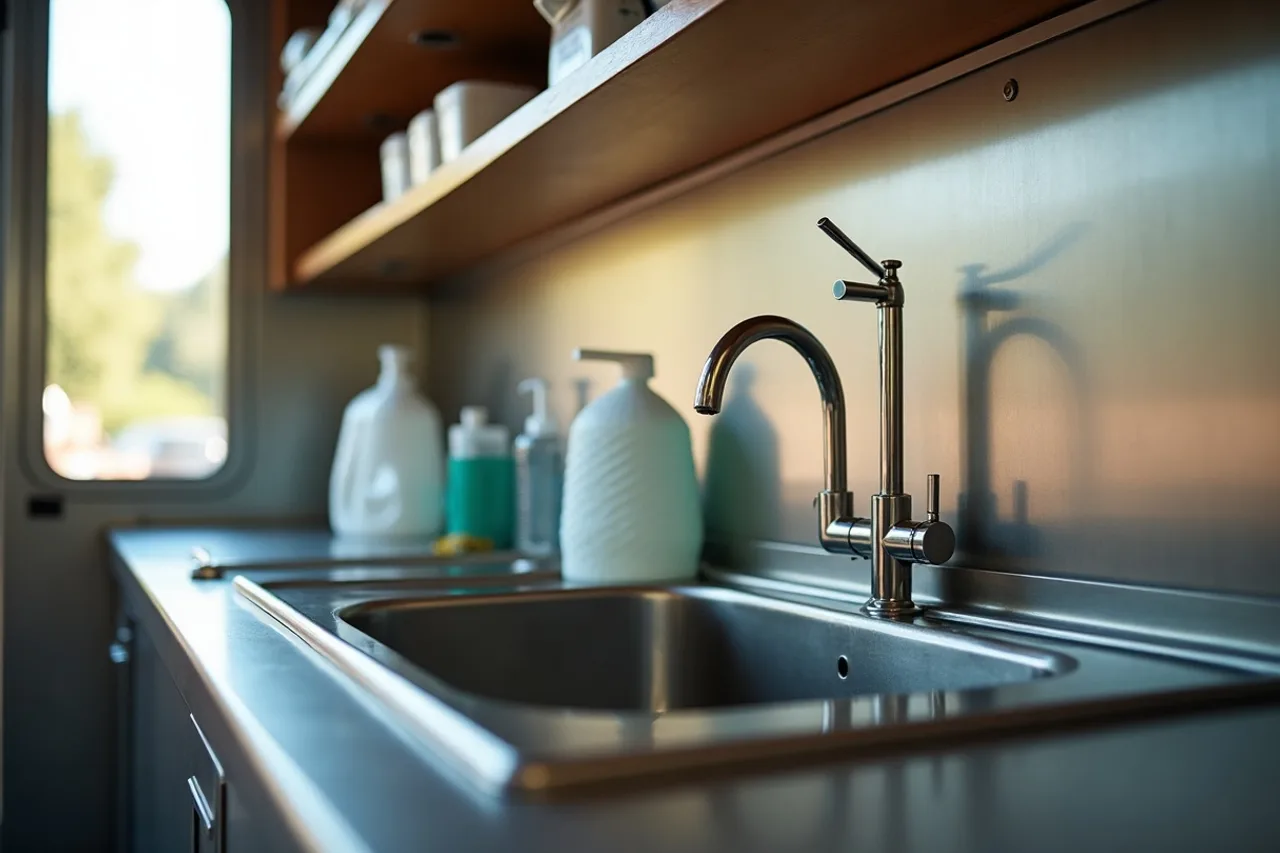
Water is the number-one reason food trucks fail inspection. Two tanks, hot water for hands, a separate basin, and how to size the capacity.
Water and Hand Washing in a Food Truck: Clean/Wastewater, Tanks and GHP Requirements
In a food truck, water is the number-one topic at the inspection and at every check. You do not have a mains connection like a restaurant - you carry water with you. The inspector will check whether you have potable water, hot water for hand washing, a separate wastewater tank and a working basin. This is one of the most common reasons food trucks fail an inspection. This article sorts out the GHP requirements for water and hand hygiene in the vehicle.
If you are preparing to head to a festival, see also food truck at festivals and events - there water is the bottleneck in the field. Here we break it down part by part.
The essentials
- Two tanks: clean potable water and wastewater - the latter of at least the same capacity as the clean-water tank.
- Hot water for hand washing is an absolute requirement - not a "nice to have".
- A separate hand-wash basin, kept apart from the produce sink, stocked with soap and single-use towels.
- Potable water - from a reliable source; the tank clean and regularly disinfected.
Clean water and wastewater - two tanks
The basic rule: the water you use must be potable, and what drains away must have somewhere to go. In practice that means two tanks:
- Clean-water tank - potable water for washing hands, produce and dishes. Size the capacity to your menu and the length of the working day - with a margin.
- Wastewater tank - of at least the same capacity as the clean-water tank. Wastewater must not go "onto the ground nearby" - a common and serious non-compliance.
The inspector will also note the condition of the tanks: a clean potable-water tank, regularly washed and disinfected, is a safety element, not a detail.
Hot water for hand washing
This is the point where a surprising number of vehicles fail. The tank is there, but the heater does not work or was never connected. Hot water for hand washing is an absolute requirement - without it you cannot legally prepare food. Check before every trip that the heating works, not just that it "should".
Basin and hand hygiene
Hand washing in a food truck follows the same rules as in a fixed kitchen, just in a smaller space:
- a separate hand-wash basin - kept apart from the sink for washing produce and dishes,
- soap in a dispenser and single-use towels - always topped up,
- a clear procedure for when to wash hands - after touching raw meat, after handling the till, after a break.
The technique and requirements for hand washing are laid out in the hand-washing procedure in foodservice - it applies in a food truck just the same.
How to size the tanks
There is no single "magic" number of litres - the capacity depends on your menu, the number of portions and the length of the day. The sizing logic:
- Estimate water use per day (washing hands, produce, dishes, equipment).
- Add a margin for the peak rush and a hot day.
- Choose a wastewater tank at least equal to the clean-water tank.
- Plan where you will refill water and empty wastewater during a long event.
What to write in records and procedures
- Cleaning and disinfection of the water tank - schedule and confirmation.
- Source of potable water - where you refill, whether it is drinkable.
- Hand-hygiene procedure - when and how, in the workstation instruction.
The most common mistakes
- No hot water for hand washing. The tank is there, the heater is not working - an immediate non-compliance.
- A clean-water tank that is too small. It runs out mid-day and work stops.
- No or undersized wastewater tank. Wastewater "onto the ground" is a serious failing.
- One all-purpose basin. Washing hands in the produce sink is a non-compliance.
- A dirty potable-water tank. Without washing and disinfection the tank itself becomes a hazard.
FAQ
Does a food truck need hot water?
Yes. Hot water for hand washing is an absolute requirement - without it you cannot legally prepare food. The inspector checks this at the vehicle inspection and during checks.
How big must the wastewater tank be?
At least equal to the capacity of the clean-water tank. Wastewater must go into a tank, not onto the ground - one of the more common and serious non-compliances in the field.
Can I have one basin for hands and produce?
No. The hand-wash basin must be separate, kept apart from the sink for washing produce and dishes, and stocked with hot water, soap and single-use towels.
Ready-made GHP procedures for a food truck
Water, wastewater and hand hygiene are elements that must be described specifically for your vehicle, not copied from a restaurant. The Fundament package from GastroReady gives you ready GHP procedures and records that account for mobile specifics - adapt them to your food truck in a few hours.
Preparing your food truck for inspection?
GastroReady offers ready GHP procedures and records covering water, wastewater and hand hygiene in the vehicle. With PL/EN instructions.