Unannounced Sanitary Inspection: Your Rights and How to Be Always Ready
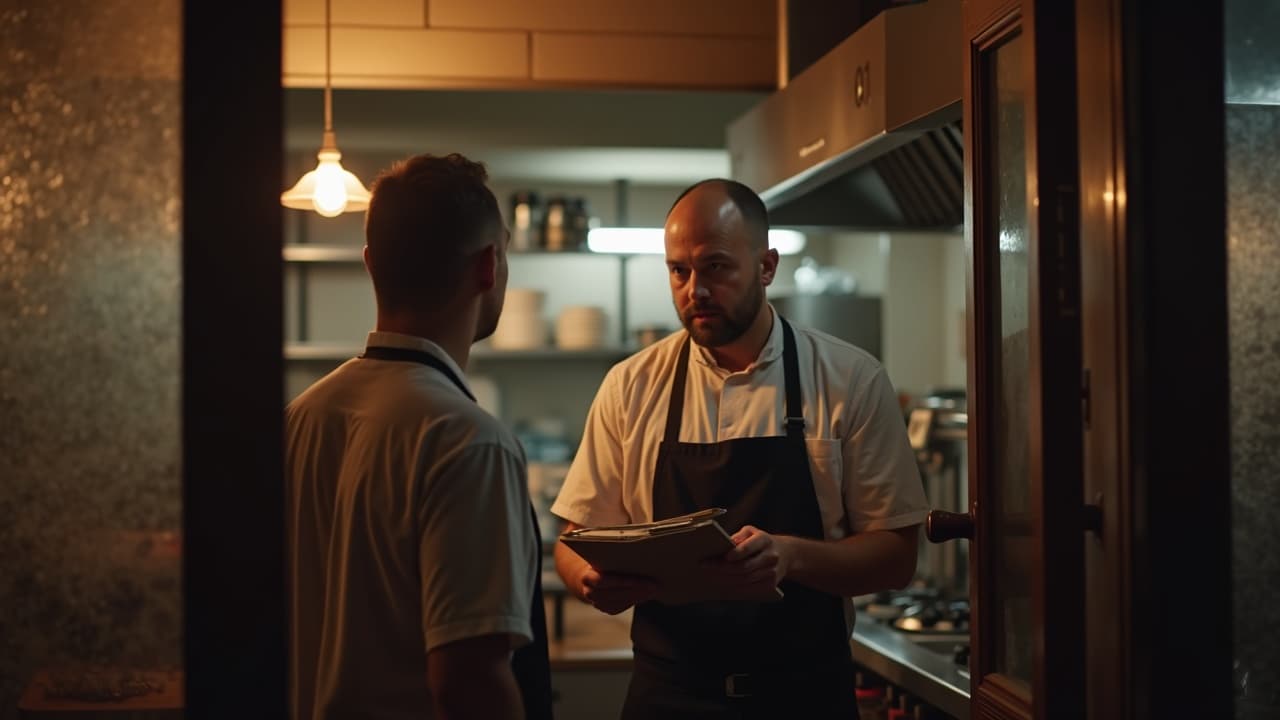
The inspector may come at any moment during operating hours. What they check in the first 5 minutes, your rights, what NOT to do, and how to stay ready every day.
Short answer: yes, the sanitary inspector can come unannounced and there is nothing to be afraid of. An unannounced inspection is the standard operating mode of the sanitary inspection, not a penalty. If your venue runs daily as it should, the inspector's visit will be calm, focused and short. This article helps you understand what to expect, what your rights are, and how to be ready at any time.
Key takeaways
- The sanitary inspector has the right to enter a foodservice venue without prior notice - it flows directly from the Public Health Inspection Act.
- In the first minutes of inspection, the inspector assesses the general state: cleanliness, order, staff behaviour. That is your business card.
- You have specific rights - including the right to verify the inspector's ID, be present during inspection activities and add comments to the protocol.
- The worst reaction is panic or obstructing the inspection. The best - calm and ready documentation.
- Inspection readiness is a side effect of a well-run venue, not a separate task.
Can the sanitary inspector come without warning?
Yes. The Public Health Inspection has the statutory right to conduct inspections without prior notice. The legal basis is Article 25 of the Public Health Inspection Act of 14 March 1985 and provisions of the Entrepreneurs Law (Article 48), which directly exclude the duty to notify of an inspection when it concerns food safety.
In practice this means the inspector may appear at any moment during venue operating hours - morning, lunch rush, evening. They do not have to call, do not have to send a letter. They simply arrive, show ID and authorisation, and the inspection begins.
Worth knowing: this is not aimed at you. An unannounced inspection exists so the inspector can see the real state of the venue, not a version prepared specifically for their visit. And paradoxically, if you run the venue honestly, this mode works in your favour, because the inspector sees a genuine, well-functioning system.
What the inspector checks in the first minutes
The first impression during a sanitary inspection works similarly to one in a restaurant - what matters is what is visible right away. Before opening any folder, the inspector does a quick walk-through. And this walk-through often sets the tone for the entire inspection.
Here is what the inspector registers in the first 5 to 10 minutes:
- General cleanliness and order - floors, counters, workstations. Does not have to be perfect, but cannot be dirty.
- Staff behaviour - whether they wear clean work clothes, have head coverings, wash hands. The inspector just observes.
- Zone separation - whether raw and ready-to-eat are not side by side, whether boards and knives are separated.
- Temperature - a quick look at fridges and freezers. Do doors close, do displays show correct values.
- Handwash availability - whether there is soap, paper towels, hot water. One of the most frequently checked points.
- Chemical storage - whether cleaning and disinfection products are separate from food, whether labelled.
These first minutes are not a formal stage of inspection - they are observation. But they build context. If the inspector sees order and a calm, organised team, the rest of the inspection runs more smoothly and with fewer detailed questions.
Your rights during inspection
A sanitary inspection is not an interrogation. You have specific rights and it pays to know them, because a sense of control over the situation really helps keep your composure.
1. Right to verify the inspector's identity. The inspector must show a service ID and authorisation for the inspection. You have full right to ask for these documents before letting anyone into the kitchen. This is not impolite - it is standard.
2. Right to be present during inspection. As owner or person in charge, you have the right to accompany the inspector at every stage. You can also designate another person, e.g. shift manager. Important: someone responsible should be present.
3. Right to explanations and answers. The inspector should tell you the purpose and scope of the inspection. If you do not understand something, ask. That is your right.
4. Right to add comments to the protocol. After the inspection, the inspector writes a protocol. You have the right to read it, add comments, reservations, and even refuse to sign (though that does not stop the inspection or cancel findings).
5. Right to appeal a decision. If the inspector issues a decision you disagree with, you have the right to file an appeal with a higher body. Deadlines and procedure should be stated in the decision itself.
Key principle: use your rights calmly and professionally. The inspector is an official doing their job. Cooperation and calm work in your favour much better than confrontation.
What NOT to do when the inspector is on site
Mistakes made during inspection can hurt more than the documentation irregularities themselves. Here is a list of behaviours worth avoiding:
Do not panic and start cleaning in the inspector's view. Frantically wiping counters and hiding things at the moment the inspector enters the kitchen sends a clear signal: this is not how it normally looks. It works against you.
Do not lie or make up answers. If you do not know, say "I will check and come back with an answer". That is much better than inventing on the spot. Inspectors have experience and spot inconsistency.
Do not obstruct the inspection. Blocking access to rooms, refusing to show documents or aggressive behaviour is a separate offence. It can lead to a fine regardless of the venue state.
Do not instruct staff in front of the inspector. Whispering to the cook "say we always do it this way" is visible and undermines the whole team's credibility.
Do not sign the protocol in a rush. Read carefully. If you disagree with something, write your comments. A signature on the protocol confirms you read it, but does not mean agreement with all findings.
Do not treat inspection as an attack. A perspective shift really helps. The inspector checks whether the venue is safe for guests. If it is, the inspection is confirmation that you work well.
How to always be ready for inspection
The best strategy for an unannounced inspection sounds banal: run the venue as if an inspector could come tomorrow. Because they can. But "always ready" does not mean "always stressed". It means a system that works on its own.
Keep documentation current and accessible. Venue approval decision, HACCP plan, records - these documents should sit in one known place. Not in the owner's drawer, not in the cloud without offline access. Physically in the venue, ready to show.
Keep records up to date. Temperatures, cleaning, goods receipt - enter in real time, not backwards. The inspector spots "bulk filled" records by identical handwriting and even intervals. Regular entries are the best proof the system is alive.
Train the team regularly. An employee who can answer the inspector's question about allergens, zone separation or handwash procedure is your best asset. No need for academic lectures - short, regular refreshers are enough.
Do internal walks. Once a month, walk through the venue with the inspector's eye. Check cleanliness, product dates, register state, fridge equipment operation. 15 to 20 minutes of such a walk can catch problems before the sanitary inspector does.
Do not delay repairs and updates. A damaged fridge gasket, a broken thermometer, an outdated HACCP plan after a menu change - these things accumulate. It is better to react ongoing than to suddenly discover 10 problems on inspection day.
If you want documentation that actually protects your venue and matches what you do in the kitchen, GastroReady offers ready HACCP/GHP/GMP packages tailored to different foodservice types. Not dead internet templates, but a system that makes sense in daily work.
Inspection triggered by a customer complaint
A significant share of unannounced inspections come from consumer complaints. A customer who suspects food poisoning, found a foreign body in a dish or observed gross hygiene neglect can file a complaint with the District Sanitary-Epidemiological Station. Such a complaint is treated as priority and usually triggers an inspection within several business days.
How an inspection after a complaint looks
An inspection after a complaint differs from a planned one in that the inspector has a specific starting point. If the customer reported a poisoning suspicion, the inspector will focus on the cold chain, expiry dates, raw/cooked separation and cooking procedures. If the complaint concerned a foreign body (e.g. hair in soup), the inspector will look at work clothing, head coverings and general personnel hygiene.
Will you find out who filed the complaint
No. Complainant data is protected. The inspector does not have to (and usually does not want to) reveal the source. They may only inform you that the inspection takes place in response to a consumer signal.
How to minimise complaint risk
The most effective prevention is honest communication with the guest. Inform about allergens diligently. React to complaints on the spot, rather than dismissing them. If a guest reports a problem with a dish, apologise, replace the dish and log the incident internally. Most complaints to the sanitary inspectorate stem not from a one-off mistake but from a feeling that the restaurant ignored the problem.
What to do right after inspection
The inspection ended, the inspector left. What now? Regardless of the outcome, it pays to take several steps that will help you in the future.
Read the protocol calmly
The inspection protocol is an official document. It contains the inspector's findings, recommendations and deadlines. Read it carefully after the inspector leaves, not in emotion. If you do not understand something, you can contact the inspection and ask. You have that right.
Roll out fixes immediately
If the inspector flagged irregularities, do not wait until the last day of the deadline. The sooner you fix the problem, the better you will look at the follow-up inspection. Document every change: photos, dates, invoices for purchases (e.g. new thermometer), entries in the training register.
Train the team on the lessons
After inspection, run a short meeting with the team. Discuss what the inspector checked, what was fine and what needs improvement. This is not punishment, this is learning. A team that knows what the inspector looks for works better daily, not just "for inspection".
Note the lessons for the future
Write down what questions the inspector asked, what they paid attention to, which documents they wanted to see. This knowledge will help at the next inspection and with internal walks. Over time you will build a picture of what the inspection expects from your venue type.
Frequently asked questions
How often does the sanitary inspectorate check foodservice venues?
There is no single rule. Inspection frequency depends on the venue's risk assessment, prior inspection history and inspection priorities. In practice, a new venue can expect an inspection in the first months after opening. Later, inspections may take place once a year, once every two years or more often if irregularities were noted earlier. Customer complaints or food poisoning signals can trigger additional inspection, regardless of schedule.
Can I refuse a sanitary inspection?
Theoretically yes, but practically it is a very bad idea. Obstructing or preventing an inspection is an offence and may result in a fine, and in extreme cases inspection with police support. The sanitary inspector has a statutory right to enter the venue. Instead of refusing, use your rights: ask for ID, be present, add comments to the protocol. That is a legal and effective path.
What if the inspector comes outside business hours?
The inspection should take place during the inspected establishment's operating hours. If your venue is open 10:00 to 22:00, the inspector should appear in that window. An inspection outside operating hours requires justification, e.g. suspicion of activity at unusual times. If the inspector arrives when the venue is closed and you conduct no activity at that time, you have the right to refuse entry and suggest a time during operating hours.
Can the inspector enter when the owner is not on site?
Yes. The inspection does not require the owner's presence. It is enough that there is an authorised person on site - manager, shift supervisor, head chef. It pays to set in advance who handles inspection contact in the owner's absence. This person should know where documentation sits and how to behave during inspection.
What happens if the inspector finds irregularities?
It depends on scale. Minor irregularities usually end with recommendations and a deadline for fix. More serious ones can result in a fine (tens to hundreds of PLN) or an administrative decision. In extreme cases, e.g. direct health threat, the inspector may order immediate activity suspension. But these are exceptional situations. In the vast majority of inspections, the outcome is a list of specific points to fix and a deadline for their delivery.
Can a sanitary inspection last more than one day?
Yes, though it is rare in small venues. The inspection may span several visits, especially if the inspector needs to take lab samples and returns for results. In large foodservice sites (catering, food production), an inspection lasting 2 to 3 days is not unusual. Important: throughout the inspection, your records and documentation should remain available and current.
Can I record a sanitary inspection?
Regulations do not explicitly prohibit recording, but the inspector may refuse to be recorded for personal data protection. In practice, a better strategy is to read the protocol carefully and add comments to it, rather than recording. If you want to document the inspection course, take notes ongoing and add any reservations to the protocol in writing.
Remember: a sanitary inspection is a normal part of running a foodservice venue. You do not have to fear it if your venue runs honestly and the documentation reflects reality.
Need complete HACCP documentation?
GastroReady offers ready HACCP, GMP and GHP templates for every type of foodservice venue. From 299 PLN, with PL/EN instructions.