Health Inspection Step by Step: What the Inspector Checks and Which Documents They Want to See
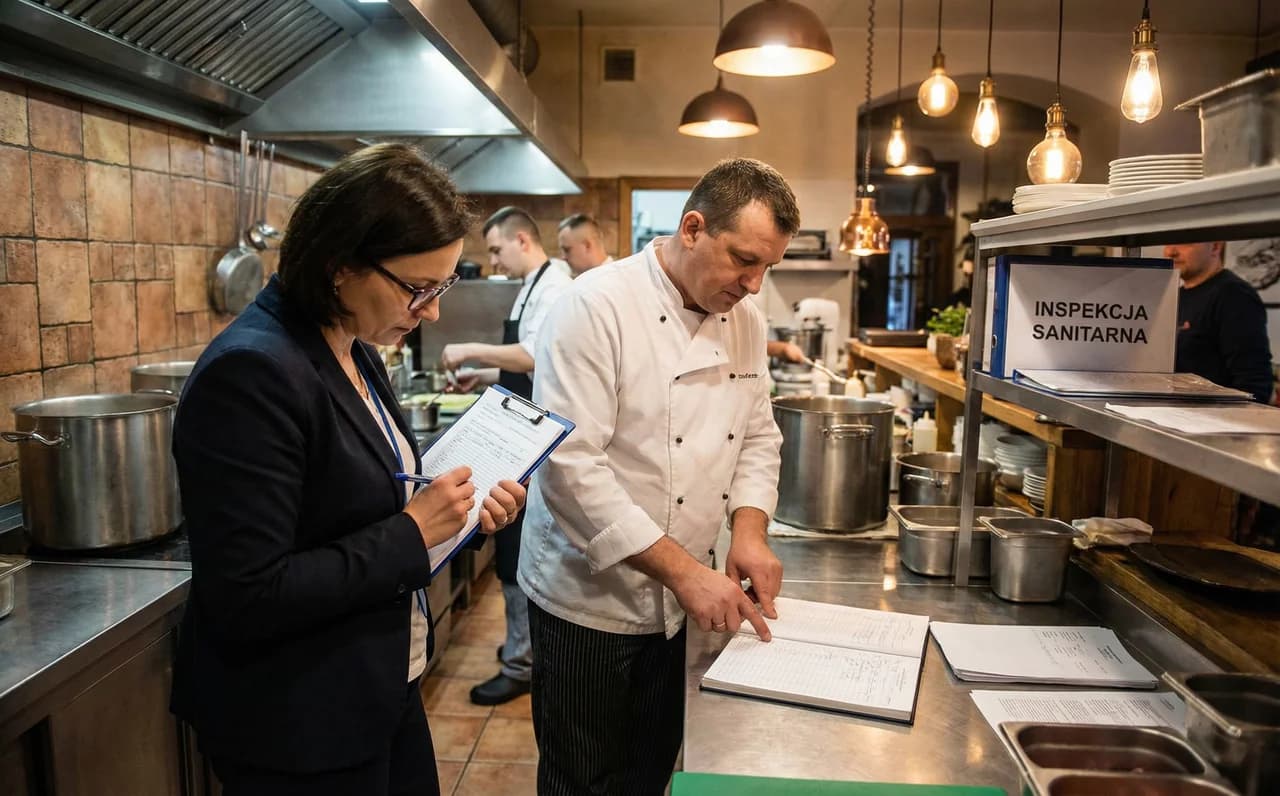
See how a health inspection works in foodservice, what inspectors check most often, and which documents you must have ready.
First things first: the inspector is not "looking for paperwork" - they are looking for compliance. Owners often think: "just have a binder and everything will be fine." The problem: the health authority compares what you have written down - with what actually happens in your kitchen. If the document says one thing but practice says another, that "paperwork" becomes more of a liability than a shield. This is exactly why GastroReady exists as a Care as a Product model: we don't sell dead templates, we sell a living system designed to give you confidence when talking to the inspector (and consistency across your team). Step 1: How a Health Inspection Typically Goes There is no single script, but in practice inspections usually unfold like this:
- Entry and introduction - the inspector states the purpose of the inspection, asks for the person in charge.
- Quick walkthrough - hygiene, zone layout, access to running water, cleanliness.
- Process verification - how you receive goods, how you store them, how you serve,
how you clean.
- Documents and records - do they exist, do they match the premises, are they maintained regularly.
- Staff questions - "what do you do when...", "where do you record...", "how do you label
allergens...".
- Summary - findings, any recommendations/deadlines for improvement.
The basis for hygiene requirements and the HACCP approach comes from EU food hygiene regulations (including the obligation to implement and maintain HACCP-based procedures). Step 2: What Health Inspectors Check Most Often (7 Areas That Come Up Again and Again) Below are the most common inspection areas - treat this as a map, not a complete checklist.
- Hygiene and premises condition
- cleanliness of work surfaces and equipment
- washability, technical condition, no hard-to-clean makeshift setups
- sinks, hand soap, towels/paper, back-of-house organization
- Zone separation and cross-contamination risk
- raw vs ready-to-eat
- "dirty" and "clean" pathways (delivery - storage - preparation - serving)
- cutting boards/knives/containers - does the team have clear rules
- Temperatures and storage
- refrigerators/freezers (conditions and monitoring habits)
- product labeling (dates, batches, opening dates)
- thawing, cooling, hot-holding (if applicable)
- Goods receiving and suppliers
- do you know where your raw materials come from and can you demonstrate it
- "quick check" on deliveries: packaging condition, temperatures, expiry dates
- Allergens and guest communication
- can you identify allergens in menu items
- do you control cross-contact (this is a frequent pain point)
- Cleaning/disinfection procedures and chemicals
- do procedures exist and are they being followed
- are chemicals labeled, stored sensibly, and used according to instructions
- Documentation, records, training
- do you have documentation tailored to your actual premises
- are records maintained "as you go," not backfilled the day before an inspection
- are training materials and rules understandable to your team
The Chief Sanitary Inspectorate states this directly: hygiene requirements stem from Regulation 852/2004, and HACCP is a system that must be implemented and maintained in food businesses. Step 3: What Documents the Health Inspector Wants to See (and How They "Read" Them)
The inspector will most often ask for:
"System" documents
- GHP/GMP (hygiene, good practices) - daily operational rules
- HACCP / HACCP-based procedures - risk analysis and control of critical points
Records (the paper trail that reveals the truth)
- temperature monitoring (equipment / processes - depending on your operation)
- cleaning / washing / disinfection logs (if that is how your system is set up)
- goods receiving / complaints / non-conformities (when they occur)
- training / briefings / procedure acknowledgment confirmations
Most importantly: the inspector typically looks not just at whether something "exists," but whether:
- it is consistent with your premises, menu, and equipment
- it is maintained regularly
- your team can explain how it works in practice
At GastroReady, we call this directly: "Real Shield, not Paper Armor" - the shield needs to work in conversation and on the floor, not just in a PDF. Step 4: Questions the Inspector Asks (and That Expose "Internet Templates") These are typical inspection questions. We share them as examples on purpose - because the full list with ready answers and "what to show in documentation" is part of the Tarcza (Shield) Package.
- "Where is your handwashing procedure and who is responsible for it?"
- "What do you do when a delivery arrives warm / packaging is damaged?"
- "How do you prevent contact between raw and ready-to-eat foods?"
- "How do you know what allergens are in this dish?"
- "How often and where do you record temperatures?"
- "Who on the team knows where the records are and how to fill them in?"
If the team does not speak the same language (literally), chaos ensues. That is why at GastroReady we insist on PL/EN instructions and a "common language of success" - rules must be understandable, otherwise they are dead. Mini-checklist "for today": 10 things you can sort out in 30 minutes This is the light version - designed to give you a quick tidy-up. The full inspection checklist (with order, risk points, and "what to show") is in the Tarcza (Shield) Package as a "Pre-Inspection Checklist."
- Make sure records are accessible (not in the owner's desk drawer).
- Check that recent entries make sense (no "bulk backfilling").
- Do a quick walkthrough: sinks, paper towels, soap, supplies.
- Check equipment temperatures (and confirm they can be shown / recorded).
- Separate raw from ready-to-eat (even if it is just organizationally within the fridge).
- Check chemicals: are they in a logical place and properly labeled.
- Remind the team: "where the records are + who is responsible for answers."
- Designate 1 person to speak (calm, factual, no over-explaining).
- Establish the "single version of truth": documents must describe what you actually do.
"Will the health authority definitely accept the documents?" At GastroReady we say it honestly: documents are prepared based on current regulatory frameworks and official guidelines, but the final outcome depends on how you tailor them to your premises and whether you actually follow the procedures. This is also the core of "Care as a Product": understanding instead of fear, not a "PDF bought as an alibi." If you want to walk into an inspection with confidence: what the Tarcza (Shield) Package provides The Tarcza (Shield) Package gives you not just documents, but above all the confidence that you will not be left alone when the inspector asks a tough question - plus a specific "pre-inspection" checklist that organizes your preparation point by point. CTA (in the article body):
- See the Tarcza (Shield) Package (full pre-inspection checklist + support)
FAQ
Do records need to be kept daily? It depends on the process and its risks. The inspector will more often evaluate logic, regularity, and consistency than "the number of boxes ticked." What trips up restaurants most often? Inconsistency: procedures are not followed, records are filled in "at the last minute," the team does not know where anything is. Does GastroReady take responsibility for the inspection outcome? It delivers the system and tools aligned with official guidelines, but the accuracy of data and application of procedures in the restaurant is the owner's responsibility.
Need HACCP documentation for your restaurant?
GastroReady offers ready-made HACCP, GMP, and GHP templates tailored for restaurants. Fill in one evening, pass the health inspection.