FEFO in Foodservice 2026: Implementing Stock Rotation
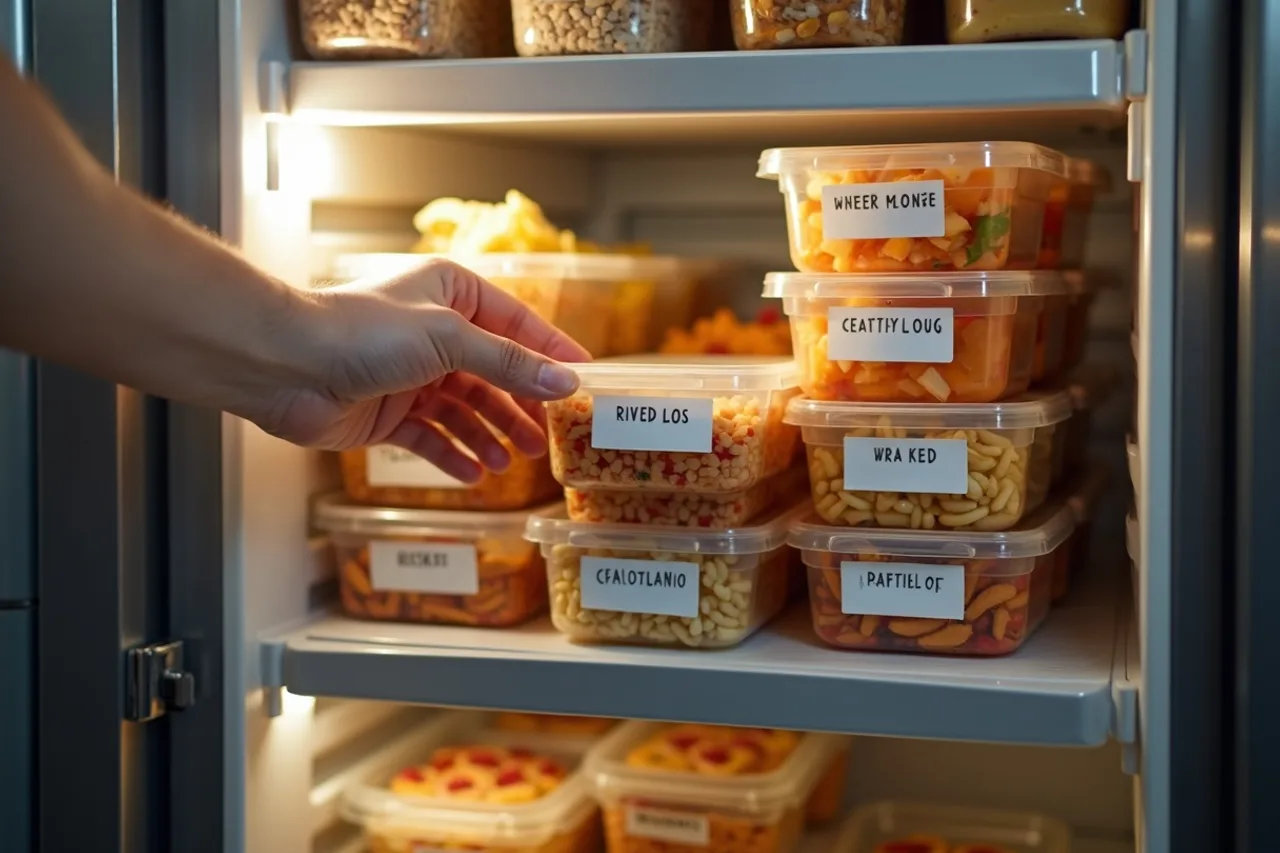
How FEFO differs from FIFO and how to implement rotation by use-by date. See how to make the rule work in the kitchen, not just on paper.
Almost everyone knows FIFO - "first in, first out". But in foodservice that's not always the right approach, because product safety isn't determined by the delivery date, it's determined by the use-by date. Two deliveries of the same product can have different expiry dates if they come from different production batches - and that's exactly where FIFO falls short and FEFO makes the difference.
This article explains what the FEFO rule is, how it differs from FIFO, and how to implement it in the kitchen so it becomes a real team habit, not just a slogan in a procedure nobody follows.
Key takeaways
- FEFO (First Expired, First Out) means using or issuing stock according to its use-by date, not according to delivery order.
- FIFO and FEFO usually line up, but they diverge when the same delivery contains different expiry dates, or when deliveries come from different production batches.
- FEFO requires dating every package once it's opened or broken down - without that, the rule only exists on paper.
- This is a growing search topic - venue owners are increasingly looking for how to document it in practice, not just what it means.
FEFO vs FIFO - what's the difference
FIFO (First In, First Out) assumes that stock which entered the storage area first should be used first. It's a good organisational rule, but it's based on the receiving date, not the product's expiry date.
FEFO (First Expired, First Out) goes a step further: the stock with the shortest remaining use-by date is used first - regardless of when it physically arrived on the shelf.
| Situation | What FIFO says | What FEFO says |
|---|---|---|
| Two deliveries of the same cheese, the second delivery has a shorter use-by date (different production batch) | Use the first delivery first | Use the batch with the shorter use-by date first, regardless of delivery order |
| A product with a long shelf life delivered earlier than a product with a short shelf life | Order matches intuition - the older delivery goes first | The product with the shorter use-by date is used first, even though it arrived later |
| Fresh products (e.g. meat, dairy) with a short, variable use-by date | Can lead to a short-dated batch expiring if it reached the shelf later | Minimises the risk of expiry - the use-by date decides, not the receiving date |
In practice, in most small kitchens both rules give the same result, because deliveries arrive regularly and batches don't mix. The difference shows up with products that have a variable use-by date, with stock bought "ahead" (larger weekly orders), and with products that have a short shelf life once opened.
Why Sanepid and auditors ask about FEFO
FEFO is part of the traceability and hazard-control system within HACCP - it applies both to raw materials in storage and to finished products, if you store them (e.g. in catering or batch production). When an inspector asks about stock rotation, they're really checking two things:
- whether expired products aren't sitting next to current ones in the fridges and storage area
- whether there's any system for date-marking that lets a staff member tell in 5 seconds what to use first
Missing FEFO isn't always a standalone item in the report - more often it surfaces as a consequence: an expired product in the fridge, no dates on opened packages, chaos in the order of use. It's one of those things that builds the overall impression of "this venue has a system" versus "this venue is improvising".
How to implement FEFO step by step
- Date every package once it's opened - not just the opening date, but the calculated use-by date based on the manufacturer's instructions for how long the product is safe to use.
- Set up the physical layout of shelves and fridges so the product with the shortest remaining date is always at the front or on top - the simplest, visual way to implement FEFO without extra paperwork.
- Check use-by dates on goods receipt, not just quantity and packaging condition - if a new delivery has a shorter date than what you already have in storage, schedule it to be used first.
- Keep a short rotation log for high-risk products (meat, fish, dairy) - a simple table works: product, date received, use-by date, date used/issued.
- Train the team with a real example, not just the name of the rule - show them on an actual product in the fridge why something needs to be used before something else, even though it reached the shelf later.
FEFO and temperature control
FEFO works best combined with correct storage - if products aren't labelled, kept separate by type (raw versus ready-to-eat), and stored at the right temperature, rotation by use-by date alone isn't enough. See our article on storage and processing temperatures for the full picture of how these elements connect, and our goods-receiving checklist, so that checking dates starts right at delivery.
Documenting FEFO in your HACCP manual
FEFO doesn't need a separate, elaborate document - in practice a short note in the storage and goods-receiving procedure describing the use-by rotation rule, plus a simple log for high-risk products, is enough. What matters is that this rule is consistent with what an inspector actually sees in your fridges during an inspection - a gap between the procedure on paper and the actual state is worse than having no procedure at all.
Where GastroReady fits in
GastroReady's HACCP documentation packages include ready storage and goods-receiving procedures that account for stock rotation, plus log templates you can print and implement right away - without writing your own procedure from scratch. The Fundament (Foundation) package (PLN 299) covers GHP/GMP with log templates, while the Tarcza (Shield) package (PLN 399) adds full HACCP documentation with hazard analysis.
Frequently asked questions
How is FEFO different from FIFO?
FIFO means using stock in the order it arrived at the storage area. FEFO means using stock according to its use-by date, regardless of delivery order. In most situations they give the same result, but they differ with products from different production batches with different expiry dates.
Is FEFO legally required in foodservice?
FEFO is a recognised good practice within the HACCP system and hazard control, supported by standards such as the Codex Alimentarius. A Sanepid inspector won't ask for a document titled "FEFO", but they assess the result - whether your fridges and storage have no expired stock and whether there's a visible rotation system.
How do I mark products so FEFO works in practice?
Every opened or broken-down package should carry a visible date - either the opening date with a calculated use-by date, or the use-by date directly. Physically organising shelves (shorter-dated product at the front) makes the rule easy to follow without extra paperwork.
Does FEFO apply to frozen products too?
Yes, though with longer shelf lives the risk of expiry is lower. It's still worth applying the same rule - newer batches shouldn't be used before older ones if the older ones have a shorter remaining shelf life.
What if there's no room in the kitchen to physically separate batches by use-by date?
In small kitchens with limited space, the key is dating packages and doing a short, regular check of fridge contents (e.g. daily at the start of a shift), rather than relying solely on the physical layout of the shelves.
Need ready storage procedures and logs?
GastroReady offers complete HACCP, GMP and GHP documentation with ready log templates. From PLN 299, with PL/EN instructions.